Quick One Hour French Bread- Easy Homemade Loaf
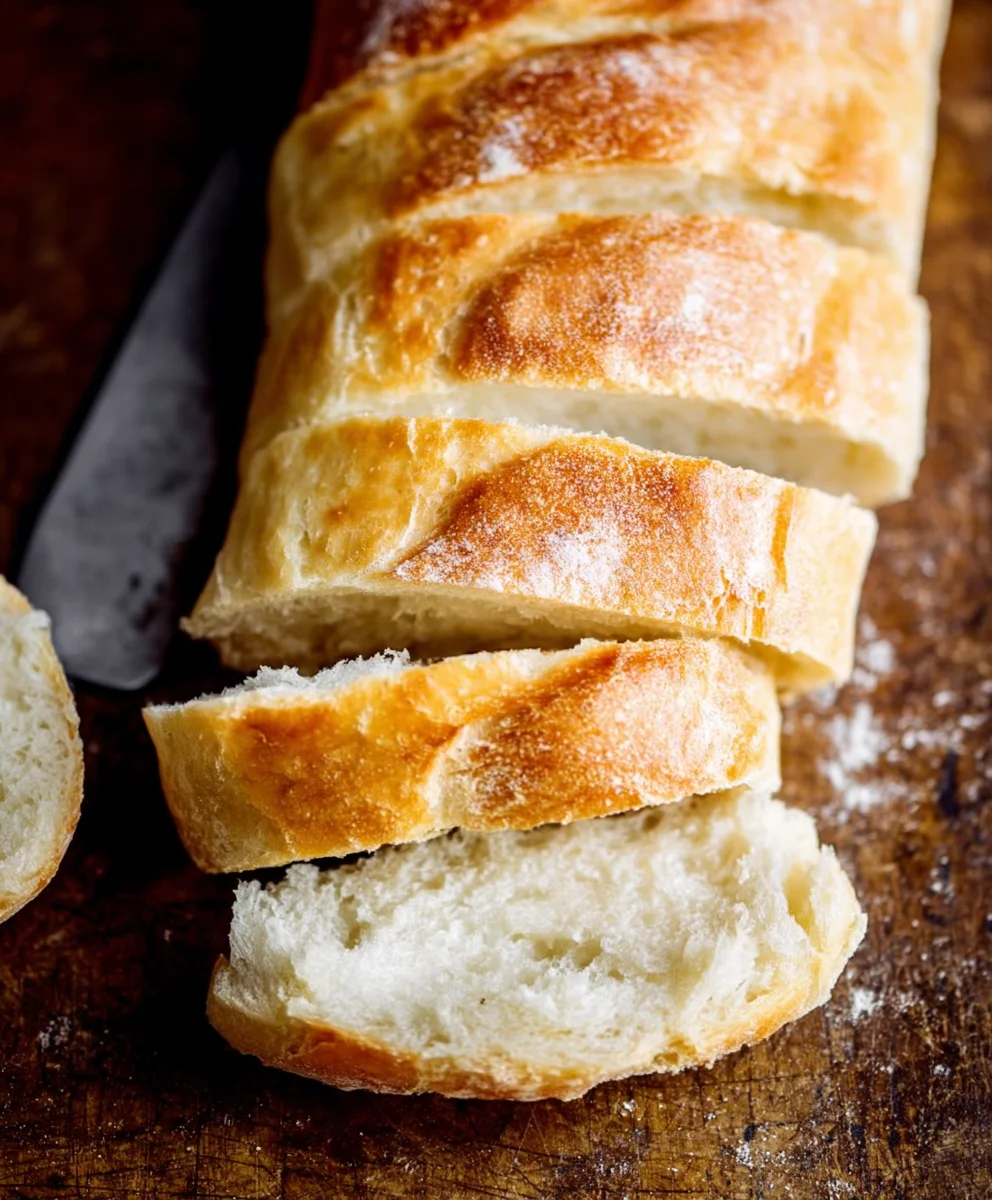
One Hour French Bread Recipe is a weeknight miracle. Imagin extracte that irresistible aroma of freshly baked bread filling your kitchen, a crusty exterior giving way to a soft, pillowy interior, all achieved in under 60 minutes. It’s no wonder this quick bake is so beloved! People adore it for its speed and simplicity, transforming humble pantry staples into a culinary triumph without hours of waiting. What truly makes this one hour French bread recipe special is its remarkable ability to deliver authentic French baguette character – that delicate crispness and airy crum extractb – without the fuss and lengthy proofing traditionally associated with it. It’s the perfect solution for spontaneous dinners, satisfying cravings, or simply enjoying a taste of artisanal baking without the commitment. Get ready to impress yourself and your loved ones with this surprisingly achievable delight.
Ingredients:
- 1 & 1/2 cups warm water (about 105-115°F or 40-46°C)
- 1 tablespoon white sugar
- 1 & 1/2 tablespoons dry yeast
- 1 & 1/2 teaspoons salt
- 1 & 1/2 tablespoons butter, softened
- 3 to 4 cups all-purpose flour, spooned and leveled
- 1 egg white, lightly beaten (optional, for brushing)
Getting Started with Your One Hour French Bread Recipe
This recipe is designed to get you a delicious, homemade French bread on the table in about an hour, with minimal fuss. The key is to use warm water to activate the yeast quickly and to embrace the magic of yeast to create that airy, crusty loaf we all love. Let’s dive in!
Activating the Yeast
The first crucial step for any yeast bread is to ensure your yeast is alive and ready to work its magic. In a large mixing bowl, combine the 1 & 1/2 cups of warm water. It’s important that the water is warm, not hot, as too much heat can kill the yeast. Aim for a temperature between 105-115°F (40-46°C). You can test this by dipping your finger in – it should feel comfortably warm. Stir in the 1 tablespoon of white sugar. The sugar acts as food for the yeast, giving it the energy it needs to start its leavening process. Now, sprinkle the 1 & 1/2 tablespoons of dry yeast over the surface of the water and sugar mixture. Don’t stir it just yet. Let it sit for about 5-10 minutes. You’ll know the yeast is active when it becomes foamy and bubbly on the surface. If you don’t see any foam, your yeast might be old or the water wasn’t the right temperature, and you’ll need to start this step again with fresh yeast.
Mixing the Dough
Once you’ve confirmed your yeast is active and bubbly, it’s time to incorporate the other ingredients into this flavorful base. Add the 1 & 1/2 teaspoons of salt to the yeast mixture. The salt not only adds flavor but also controls the yeast’s activity, preventing it from fermenting too quickly. Next, add the 1 & 1/2 tablespoons of softened butter. Softened butter incorporates more easily into the dough than cold butter, contributing to a softer crum extractb. Now, begin extract adding the all-purpose flour. Start with 3 cups of flour. Gradually mix the flour into the wet ingredients using a sturdy spoon or a spatula. Continue mixing until a shaggy gin extractgh begins to form. This is where you’ll start to feel the dough coming together. As you mix, you’ll notice it will become quite sticky.
Kneading the Dough
Now comes the part where we develop the gluten, which gives our French bread its structure and chew. Turn the shaggy dough out onto a lightly floured surface. You can use a clean countertop or a large cgin extracting board. Begin to knead the dough. To knead, push the dough away from you with the heels of your hands, then fold it back towards you and turn it a quarter turn. Repeat this process. If the dough is still too sticky and difficult to handle, gradually add more flour, a tablespoon at a time, until the dough is smooth and elastic and no longer sticks excessively to your hands or the work surface. This usually takes about 5-8 minutes of consistent kneading. You’re looking for a dough that springs back when you gently poke it. This develops the gluten, which is essential for that classic French bread texture. Remember, patience here is key; don’t be tempted to add too much flour too quickly, as this can result in a dry, dense loaf.
First Rise (The Quick Proof)
Once your dough has been kneaded to a smooth, elastic consistency, it’s time for its first rise. Lightly grease a clean bowl with a little oil or cooking spray. Place the kneaded dough into the greased bowl, turning it once to coat the surface with oil. This prevents the dough from drying out as it rises. Cover the bowl tightly with plastic wrap or a clean kitchen towel. Now, place the bowl in a warm spot to rise. A slightly warm oven (turned off, but preheated briefly and then turned off), or near a sunny window can work well. We’re aiming for a quick rise here, so it should take approximately 30-45 minutes for the dough to double in size. The goal of this rapid rise is to achieve a good volume without waiting for hours, making this a true “one hour” recipe. You’ll see the dough puff up significantly, becoming airy and light.
Shaping and Baking the Loaf
After the dough has doubled in size, gently punch it down to release the air. Turn the dough out onto your lightly floured work surface once more. Now, it’s time to shape your French bread. You can divide the dough into two equal portions if you prefer two smaller loaves, or keep it as one large loaf. To shape, gently pat the dough into a rough rectangle, then fold the long edges towards the center and press to seal. Roll the dough to your desired length and thickness, tapering the ends slightly if you like. Place the shaped loaves on a baking sheet lined with parchment paper or a silicone baking mat. If you plan to brush the loaves, this is the time to do it. In a small bowl, whisk together the optional 1 egg white with a tablespoon of water. Lightly brush this mixture over the top of your loaves. This will give them a beautiful golden sheen and a slightly crispier crust after baking. If you have a sharp knife or a lame, you can score the top of the loaves with a few shallow cuts. This helps the bread expand evenly in the oven. Preheat your oven to 400°F (200°C) during the last 10-15 minutes of the dough’s rise. Bake for 20-25 minutes, or until the crust is a deep golden brown and the bottom of the loaf sounds hollow when tapped. Once baked, remove the bread from the oven and let it cool on a wire rack before slicing and enjoying. The aroma alone will tell you it was worth it!
Conclusion:
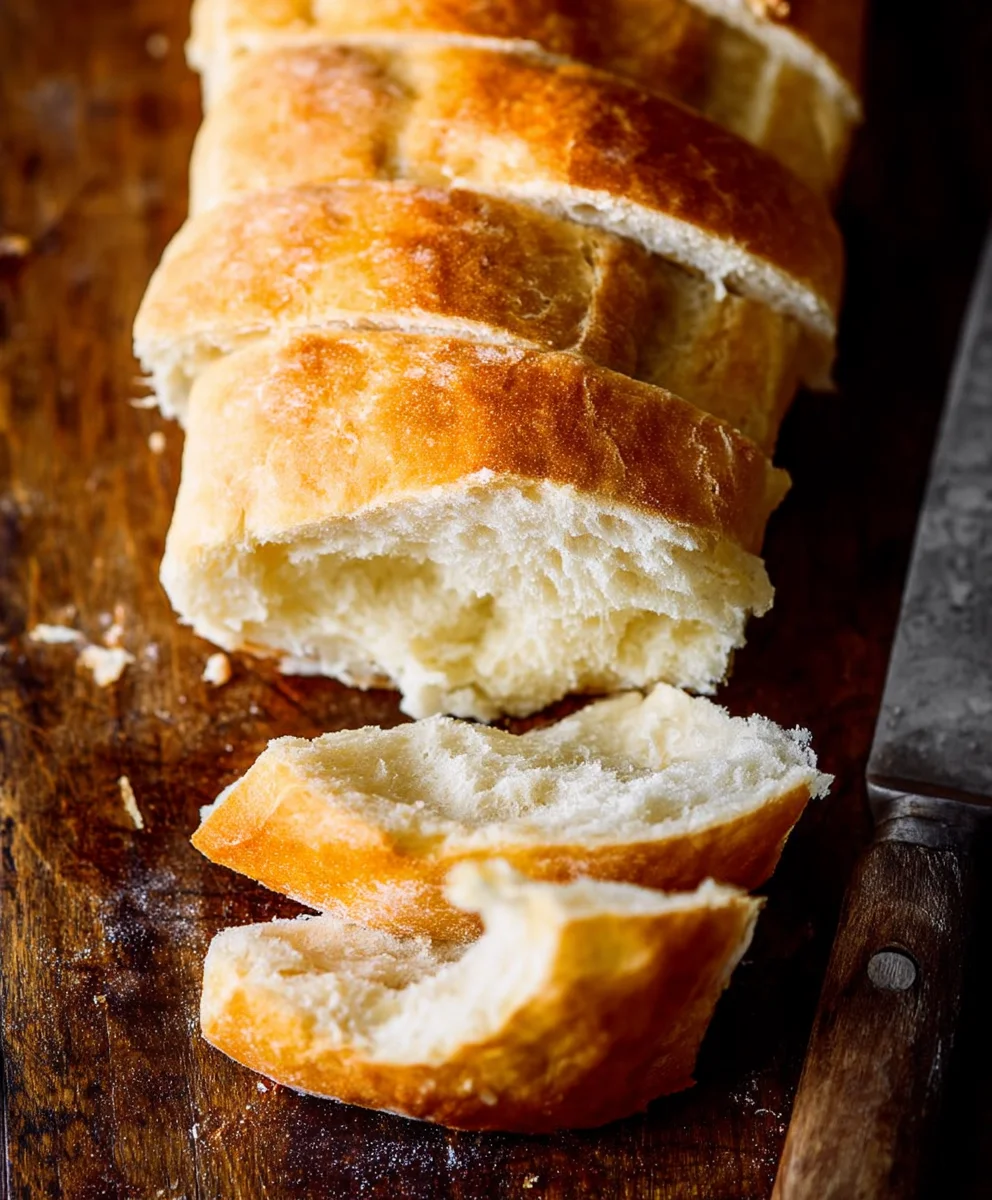
And there you have it – your very own delicious One Hour French Bread Recipe, ready to impress! We’ve walked through the simple steps together, proving that you don’t need hours to achieve that perfect, crusty exterior and soft, airy interior. This recipe is designed for busy lives, delivering fantastic results without the lengthy proofing times typically associated with homemade bread. It’s incredibly rewarding to pull a golden loaf out of your oven, knowing you made it from scratch in just about sixty minutes. Enjoy the aroma filling your kitchen and the satisfying crunch as you slice into your creation.
This One Hour French Bread Recipe is wonderfully versatile. Serve it warm with butter, alongside your favorite soups and stews, or as the base for an incredible sandwich. For a touch of elegance, consider topping slices with garlic butter and herbs before a quick broil for a homemade garlic bread experience. If you’re feeling adventurous, feel free to experiment with adding a pinch of dried rosemary or thyme to the dough for a subtle herb-infused flavor.
Don’t be afraid to give this recipe a try! The beauty of baking is in the process, and this One Hour French Bread Recipe makes it accessible and enjoyable for everyone. Embrace the slightly rustic charm that comes with homemade bread – it’s part of what makes it so special. We hope you and your loved ones savor every bite of this delightful loaf!
Frequently Asked Questions about the One Hour French Bread Recipe:
Can I make this bread ahead of time?
While this recipe is designed for same-day enjoyment to achieve the freshest possible taste and texture, you can store cooled loaves wrapped tightly in plastic wrap or in a bread box for up to two days. For longer storage, slices can be frozen and toasted from frozen.
What if my dough doesn’t double in size?
Even though this is a “one hour” recipe with reduced proofing, ensure your yeast is active by blooming it in warm water (around 105-115°F or 40-46°C) with a pinch of sugar. If the dough is a bit sluggish but still has some rise, it will likely bake up just fine, though it might be a touch denser. Ambient room temperature can also affect proofing times.
Quick One Hour French Bread- Easy Homemade Loaf
A simple and quick recipe for delicious homemade French bread that can be made in about an hour, perfect for a weeknight meal or a special occasion.
Ingredients
-
1 1/2 cups warm water
-
1 tablespoon white sugar
-
1 1/2 tablespoons dry yeast
-
1 1/2 teaspoons salt
-
1 1/2 tablespoons butter, softened
-
3 to 4 cups all-purpose flour, spooned and leveled
-
1 egg white, lightly beaten (optional, for brushing)
Instructions
-
Step 1
Activate the yeast: In a large mixing bowl, combine 1 1/2 cups warm water (105-115°F), 1 tablespoon white sugar, and 1 1/2 tablespoons dry yeast. Let sit for 5-10 minutes until foamy. -
Step 2
Mix the dough: Add 1 1/2 teaspoons salt and 1 1/2 tablespoons softened butter to the yeast mixture. Gradually add 3 cups of all-purpose flour, mixing until a shaggy dough forms. -
Step 3
Knead the dough: Turn the dough onto a lightly floured surface and knead for 5-8 minutes until smooth and elastic. Add more flour, a tablespoon at a time, if too sticky. -
Step 4
First rise: Place the kneaded dough in a lightly greased bowl, cover, and let rise in a warm spot for 30-45 minutes, or until doubled in size. -
Step 5
Shape and bake: Punch down the dough, shape into a loaf (or two), place on a baking sheet. Preheat oven to 400°F (200°C). Optionally brush with beaten egg white. Bake for 20-25 minutes until golden brown.
Important Information
Nutrition Facts (Per Serving)
It is important to consider this information as approximate and not to use it as definitive health advice.
Allergy Information
Please check ingredients for potential allergens and consult a health professional if in doubt.