Crème Brûlée French Toast – Decadent Brunch Treat
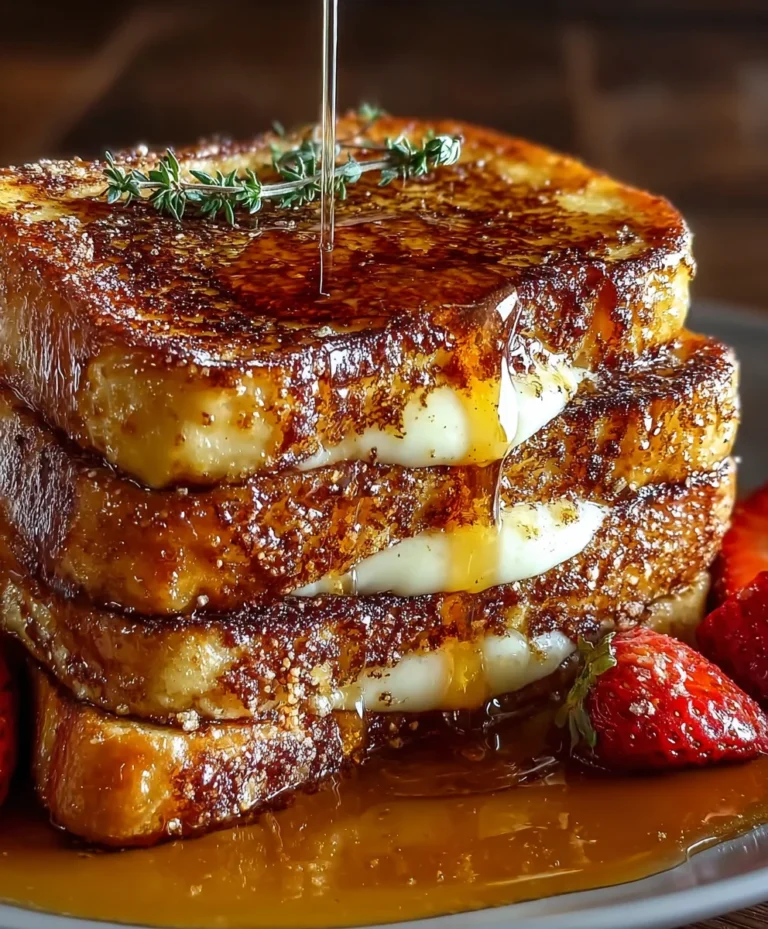
Crème Brûlée French Toast is the luxurious breakfast you didn’t know you were craving, a sublime fusion that takes two beloved classics and elevates them to an entirely new level of deliciousness. Imagin extracte the warm, custardy embrace of a perfect Crème Brûlée, with its signature caramelized sugar crust, seamlessly integrated into the heart of fluffy, eggy French toast. This isn’t just breakfast; it’s an experience. People adore this dish because it strikes that magical balance between comforting familiarity and decadent indulgence. It’s the perfect weekend treat, a way to make any morning feel special, and an absolute showstopper for brunch guests. What truly sets our Crème Brûlée French Toast apart is the technique – we’re not just topping toast with custard; we’re infusing it, creating a tender, flavor-rich interior that practically melts in your mouth, topped with that irresistible crackle of burnt sugar. Get ready to transform your mornings!
Ingredients:
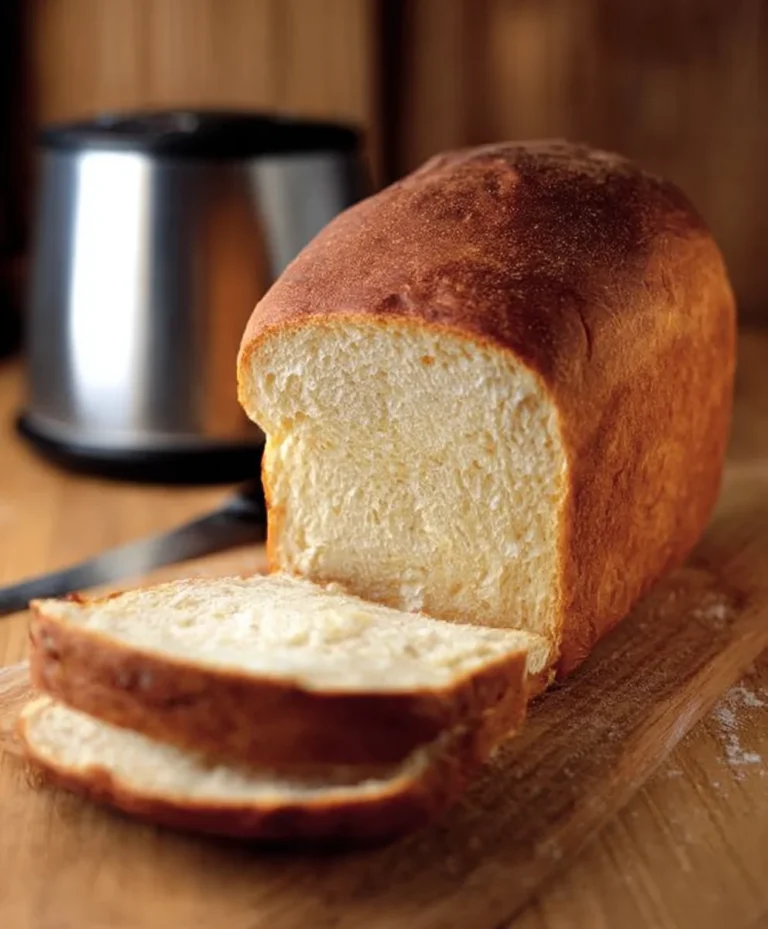
- 1 loaf of brioche or challah bread, sliced into 12-14 thick pieces (about 1 inch thick)
- 4 large eggs
- 1 cup whole milk (you can also use almond or oat milk for a dairy-free option)
- 1/2 cup heavy cream (half-and-half is a good substitute if you don’t have heavy cream)
- 1/2 cup granulated sugar (or brown sugar for a slightly caramel note)
- 1 tablespoon vanilla extract (or 1 teaspoon vanilla bean paste for a more intense flavor)
- 1/2 teaspoon ground cinnamon (or a pinch of ground nutmeg for a different spice profile)
- Pinch of salt
- Butter or oil for greasing the pan
- Optional: Fresh berries, powdered sugar, or maple syrup for serving
Preparing the Custard Base
The magic of Crème Brûlée French Toast lies in its rich, custardy batter, reminiscent of the classic French dessert. To begin extract, in a large, shallow dish or a wide bowl that can comfortably hold your bread slices, whisk together the four large eggs. Make sure the eggs are thoroughly beaten until the yolks and whites are completely combined and there are no streaks of either visible. This ensures an even consistency in your batter.
Next, pour in the whole milk and the heavy cream. Whisk these liquids into the eggs until everything is smoothly incorporated. Now, it’s time to add the sweetness and flavor. Sprinkle in the granulated sugar, vanilla extract, ground cinnamon, and the pinch of salt. Whisk everything together vigorously until the sugar has dissolved completely. You want a smooth, homogenous mixture that smells wonderfully aromatic from the vanilla and cinnamon. The salt is crucial here; it doesn’t make the French toast taste salty, but rather enhances all the other flavors and balances the sweetness.
Soaking the Brioche
Once your luscious custard base is ready, it’s time to introduce the bread. Gently place the thick slices of brioche or challah bread into the custard mixture. Allow each slice to soak for at least 2 to 3 minutes on each side. The key here is to give the bread enough time to absorb the custard without becoming overly soggy. You’ll notice the bread will start to soften and absorb the liquid. Don’t rush this step; patience will reward you with perfectly infused French toast. If your bread is slightly stnon-alcoholic ale, it will absorb even more of the custard beautifully, creating a wonderfully tender interior. Ensure each slice is fully coated, but avoid letting them sit for too long, as extremely porous bread can disintegrate.
Cooking the Crème Brûlée French Toast
Now, let’s bring this deliciousness to life. Heat a non-stick skillet or griddle over medium heat. Add a generous knob of butter or a swirl of oil to the pan. Once the butter is meltegin extractnd begins to foam slightly (or the oil is shimmering), carefully lift a soaked bread slice from the custard, letting any excess drip back into the dish. Place the bread slice onto the hot skillet.
Cook each slice for about 3 to 5 minutes per side, or until it’s a beautiful golden-brown color and is cooked through. You’re looking for a nice, caramelized crust. Resist the urge to press down on the bread with your spatula, as this can push out the delicious custardy interior. Instead, let the heat do its work. If your pan is large enough, you can cook multiple slices at once, ensuring not to overcrowd it, which can lower the temperature of the pan and result in uneven cooking. Adjust the heat as needed; if the bread is browning too quickly, turn it down slightly. If it’s not browning, increase the heat a touch.
Achieving the Crème Brûlée Touch
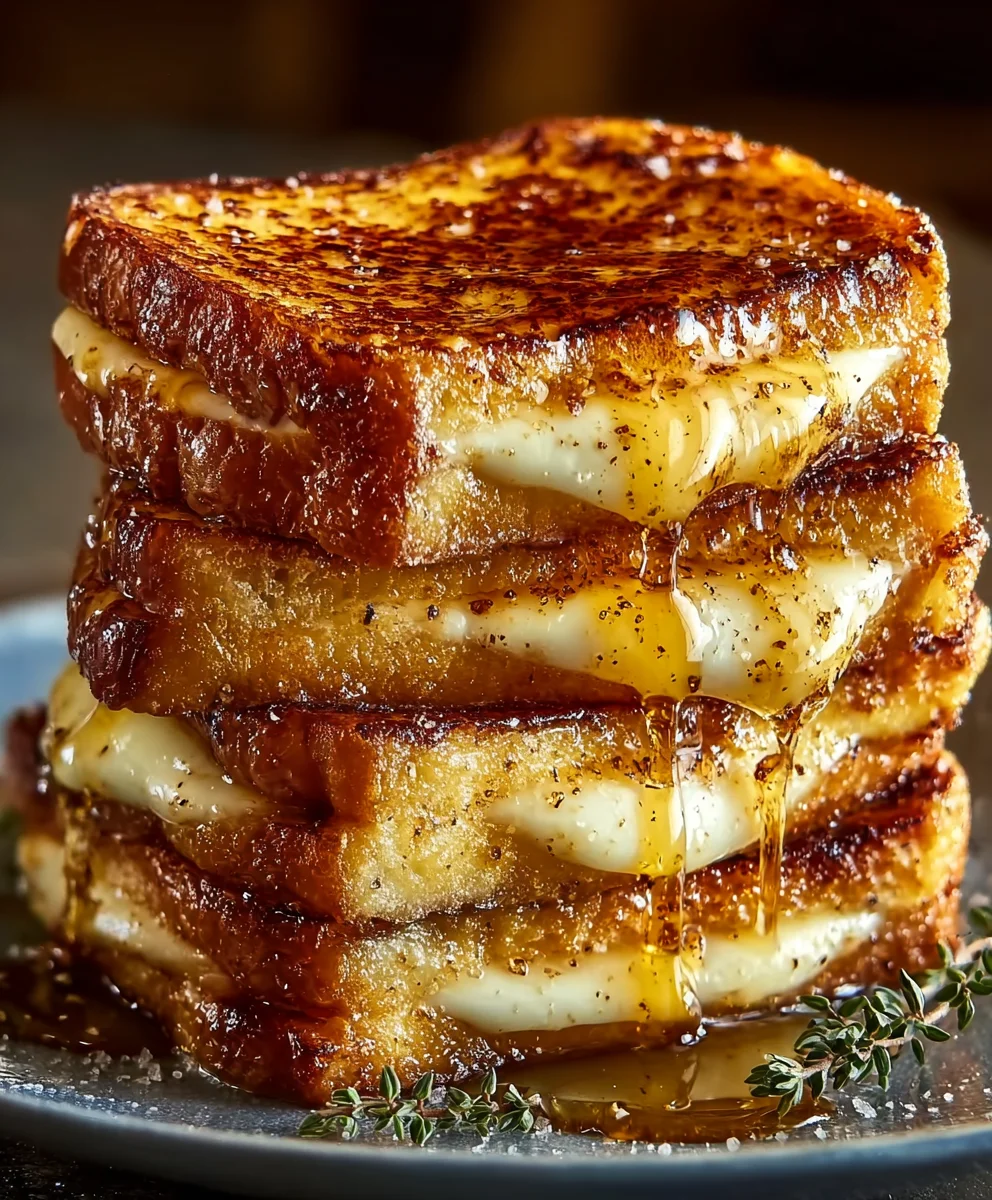
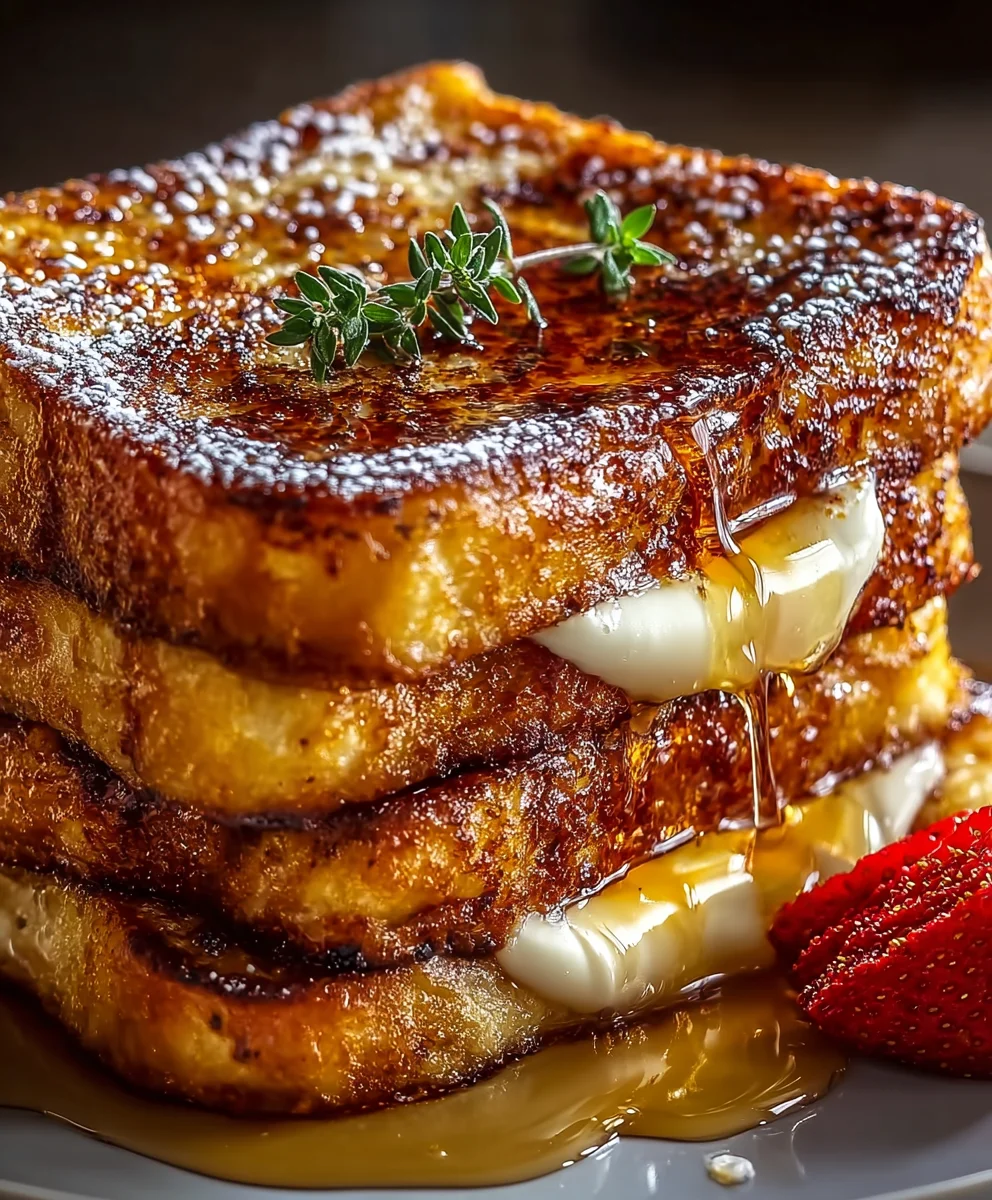
For the signature crème brûlée crunch, we need a touch of caramelized sugar on top. While the bread is still warm, you have a couple of options. The most authentic way is to sprinkle a thin, even layer of granulated sugar over the top of each cooked French toast slice. Then, using a kitchen torch, carefully caramelize the sugar until it forms a crisp, golden-brown shell. Move the torch continuously to avoid burning the sugar. This method creates that satisfying crack when you bite into it, just like a traditional crème brûlée.
Alternatively, if you don’t have a kitchen torch, you can achieve a similar effect by placing the sugared French toast slices under a hot broiler for a minute or two. Keep a very close eye on them, as the sugar can burn quickly. Another simpler, though less texturally similar, option is to omit the torching step and simply serve the French toast with a drizzle of maple syrup, which will still complement the rich, custardy flavor beautifully. Some prefer to sprinkle the sugar on after cooking and then immediately use a torch, ensuring the sugar doesn’t get too moist from the bread’s interior.
Serving Your Masterpiece
Once your Crème Brûlée French Toast is cooked and caramelized (or prepared according to your chosen method), it’s ready to be served. Carefully transfer the slices to your plates. You can serve them as is, allowing the rich, creamy interior and the crisp, caramelized top to shine. For an extra indulgence, consider garnishing your French toast with a dusting of powdered sugar, a dollop of whipped cream, or a scattering of fresh berries like raspberries or blueberries. A small pitcher of warm maple syrup on the side is also a delightful accompaniment, allowing everyone to add as much sweetness as they desire. This dish is perfect for a special brunch or a decadent breakfast treat.
Conclusion:
And there you have it – your guide to crafting the most delightful Crème Brûlée French Toast! We’ve walked through the simple steps to transform your morning breakfast into an elegant dessert-inspired experience. The rich custard soak, the golden-brown crust, and that satisfying crackle of caramelized sugar are truly a treat for all your senses. This dish is far more than just breakfast; it’s a celebration!
For serving suggestions, I love pairing this Crème Brûlée French Toast with fresh berries – raspberries, blueberries, or strawberries add a burst of freshness and vibrant color that beautifully complements the sweetness. A dollop of whipped cream or a light drizzle of maple syrup is also never a bad idea. Don’t be afraid to experiment with variations! You could infuse your custard with a hint of orange zest for a citrusy twist, or add a pinch of cinnamon for a warm spice note. For an even more decadent treat, try adding a few chocolate chips to the custard mixture before soaking the bread.
I truly hope you enjoy making and savoring this incredible Crème Brûlée French Toast. It’s a recipe that’s sure to impress, whether you’re serving it for a special brunch or simply treating yourself to something extraordinary.
Frequently Asked Questions:
Q: Can I use different types of bread for Crème Brûlée French Toast?
Absolutely! While brioche and challah are ideal due to their richness and ability to soak up custard without becoming soggy, you can also use a good quality sourdough for a slight tang, or even a thicker-cut white bread. Just ensure the bread is slightly stnon-alcoholic ale or dried out to prevent it from disintegrating in the custard.
Q: How do I get the perfect caramelized sugar crust?
The key to a perfect crackly crust is a thin, even layer of granulated sugar applied just before serving. Use a kitchen torch to melt and caramelize the sugar until it forms a hard, glassy shell. If you don’t have a torch, you can briefly place it under a broiler on high heat, watching it very closely to prevent burning.
Crème Brûlée French Toast
A decadent brunch treat that combines the rich, custardy flavor of crème brûlée with the comforting texture of French toast.
Ingredients
-
1 loaf brioche or challah bread, sliced into 12-14 thick pieces (about 1 inch thick)
-
4 large eggs
-
1 cup whole milk
-
1/2 cup heavy cream
-
1/2 cup granulated sugar
-
1 tablespoon vanilla extract
-
1/2 teaspoon ground cinnamon
-
Pinch of salt
-
Butter or oil for greasing the pan
-
Optional: Fresh berries, powdered sugar, or maple syrup for serving
Instructions
-
Step 1
In a large, shallow dish, whisk together the four large eggs until thoroughly beaten and no streaks remain. -
Step 2
Whisk in the whole milk, heavy cream, granulated sugar, vanilla extract, ground cinnamon, and pinch of salt until the sugar is dissolved and the mixture is smooth. -
Step 3
Gently place the thick bread slices into the custard mixture, allowing each side to soak for 2-3 minutes until softened and infused. -
Step 4
Heat a non-stick skillet or griddle over medium heat and add butter or oil. Carefully place the soaked bread slices onto the hot pan. -
Step 5
Cook for 3-5 minutes per side, until golden-brown and cooked through, achieving a caramelized crust. -
Step 6
For the crème brûlée effect, sprinkle a thin layer of granulated sugar over the top of each warm French toast slice and carefully caramelize with a kitchen torch until a crisp shell forms, or use the broiler with caution. -
Step 7
Serve immediately, optionally garnished with powdered sugar, berries, or maple syrup.
Important Information
Nutrition Facts (Per Serving)
It is important to consider this information as approximate and not to use it as definitive health advice.
Allergy Information
Please check ingredients for potential allergens and consult a health professional if in doubt.