Delicious Vegan Bibimbap Recipe – Healthy & Flavorful
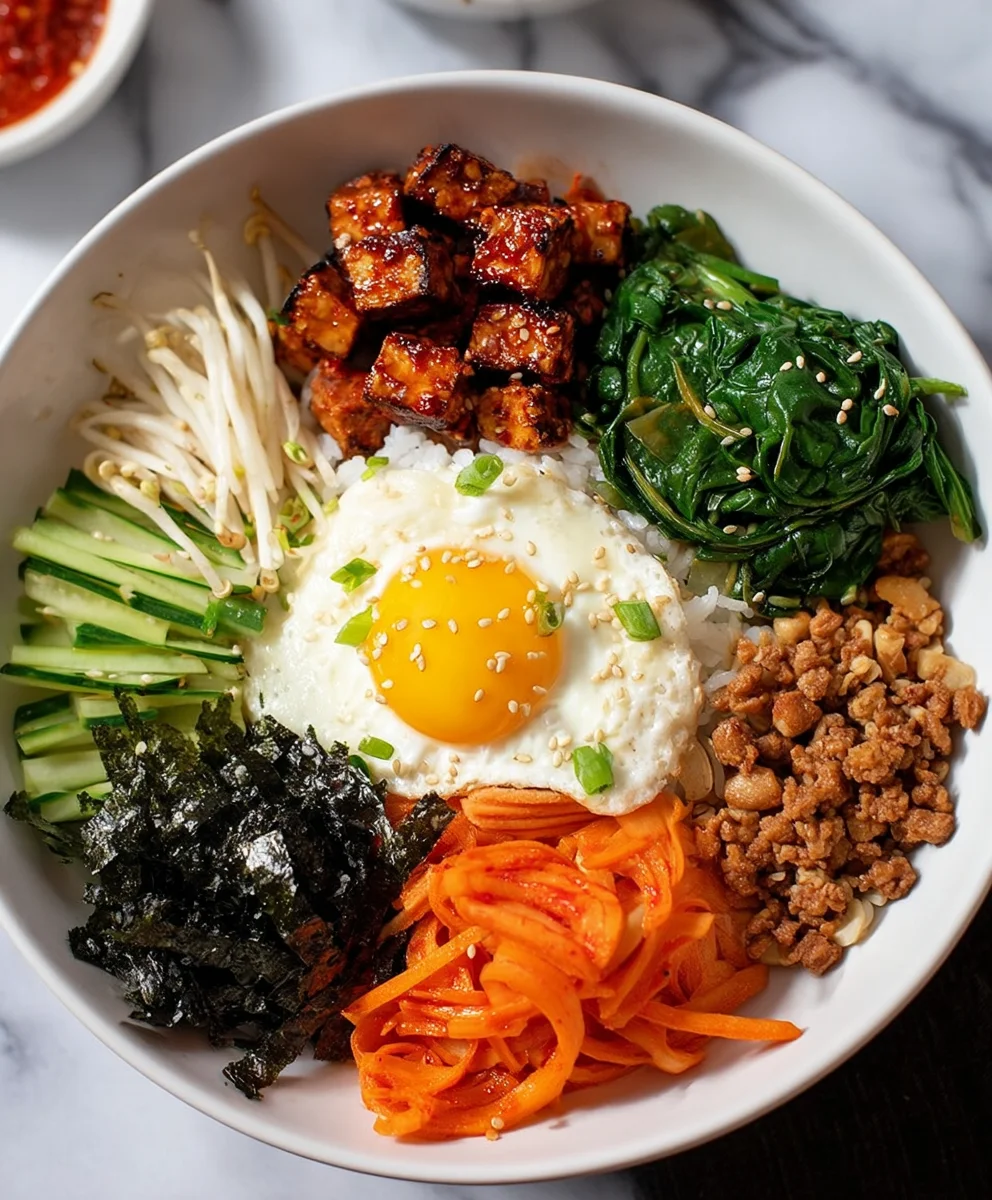
Vegan Bibimbap is a vibrant and incredibly satisfying Korean rice bowl that’s taken the plant-based world by storm, and for good reason. Imagin extracte a colorful tapestry of perfectly cooked rice, topped with a medley of seasoned vegetables, savory tofu or tempeh, and a rich, flavorful sauce. It’s not just a meal; it’s an experience! What truly makes this dish beloved is its incredible versatility. You can customize it with your favorite seasonal vegetables, adjust the spice level to your liking, and transform it into a quick weeknight dinner or an impressive centerpiece for a gathering. The magic lies in the harmony of textures and flavors – the tender rice, the crisp-tender veggies, the protein-packed topping, all brought together by that irresistible gochujang-based sauce. This isn’t just about abstaining from animal products; it’s about celebrating fresh, wholesome ingredients in a dish that’s as beautiful as it is delicious. Get ready to discover your new favorite healthy and flavorful obsession with this amazing Vegan Bibimbap.
Ingredients:
- 1 large cucumber
- 200 g fresh spinach
- 100 g fresh bean sprouts
- 1 large carrot
- 200 g firm tofu
- 100 g mushrooms (enoki mushrooms recommended, but shiitake or oyster mushrooms work well too)
- Salt to taste
- Sesame oil for cooking and finishing
- Minced garlic
- 2 tablespoons gochujang (Korean chili paste)
- 1 tablespoon rice vinegar
- 1 tablespoon agave nectar or maple syrup (for a touch of sweetness)
- 1 tablespoon soy sauce
- 2 cloves garlic, minced
- 2 teaspoons sesame oil
Preparing Your Vibrant Vegan Bibimbap Components
Vegetable Preparations
- Start by preparing your vegetables. Begin extract with the cucumber. Wash it thoroughly and then julienne it into thin, matchstick-like strips. Don’t worry about peeling it if the skin is thin and unblemished; it adds a nice color and texture. Once julienned, place the cucumber strips in a small bowl and sprinkle them with a pinch of salt. This will help draw out some of its moisture and prevent the bibimbap from becoming watery. Let it sit for about 10-15 minutes while you prepare the other components. After it has rested, gently squeeze out any excess water from the cucumber.
- Next, tackle the spinach. Wash the spinach thoroughly under cold running water to remove any grit. Bring a small pot of water to a rolling boil. Carefully add the spinach to the boiling water and blanch it for just 30-60 seconds, until it wilts and turns a vibrant green. Immediately remove the spinach from the boiling water and plunge it into an ice bath (a bowl filled with ice and cold water). This shocking process stops the cooking and preserves its bright color and nutrients. Once cooled, drain the spinach very well, pressing out as much water as possible. In a bowl, toss the blanched spinach with a teaspoon of minced garlic, a teaspoon of sesame oil, and a pinch of salt. Mix gently to combine.
- Now, for the bean sprouts. Rinse the bean sprouts under cold water and drain them. Similar to the spinach, bring another pot of water to a boil. Add the bean sprouts and cook for about 2-3 minutes, or until they are tender-crisp. You want them to retain a slight crunch. Drain them thoroughly and place them in a separate bowl. Toss the bean sprouts with a teaspoon of minced garlic, a teaspoon of sesame oil, and a pinch of salt. Mix well.
- For the carrot, wash and peel it. Then, julienne the carrot into thin strips, similar to how you prepared the cucumber. You can lightly sauté these strips in a non-stick pan with a tiny drizzle of sesame oil over medium heat for 2-3 minutes until they are slightly tender but still have a bite. Alternatively, you can serve them raw for added crunch. Season lightly with salt.
Mushroom and Tofu Mastery
- Prepare your mushrooms. If you’re using enoki mushrooms, trim off the very bottom of the cluster and gently separate the strands. If using shiitake or oyster mushrooms, wipe them clean with a damp cloth and slice them. Heat about a tablespoon of sesame oil in a non-stick skillet over medium-high heat. Add the mushrooms and sauté them until they are tender and lightly golden brown. Season with a pinch of salt and a tiny bit of minced garlic during the last minute of cooking.
- Now, let’s prepare the tofu. Press the firm tofu to remove excess water. You can do this by wrapping it in paper towels or a clean kitchen towel and placing a heavy object on top for at least 15-20 minutes. Once pressed, cut the tofu into small cubes or thin strips. Heat another tablespoon of sesame oil in the same skillet (or a clean one) over medium-high heat. Add the tofu and cook until it’s golden brown and slightly crispy on all sides. Season with a pinch of salt and a dash of soy sauce as it cooks.
Crafting the Gochujang Sauce
In a small bowl, whisk together the gochujang, soy sauce, rice vinegar, agave or maple syrup, minced garlic (the remaining clove, finely minced), and the remaining 2 teaspoons of sesame oil. This will create your flavorful bibimbap sauce. Taste and adjust the sweetness or spiciness to your preference.
Assembling Your Vegan Bibimbap Masterpiece
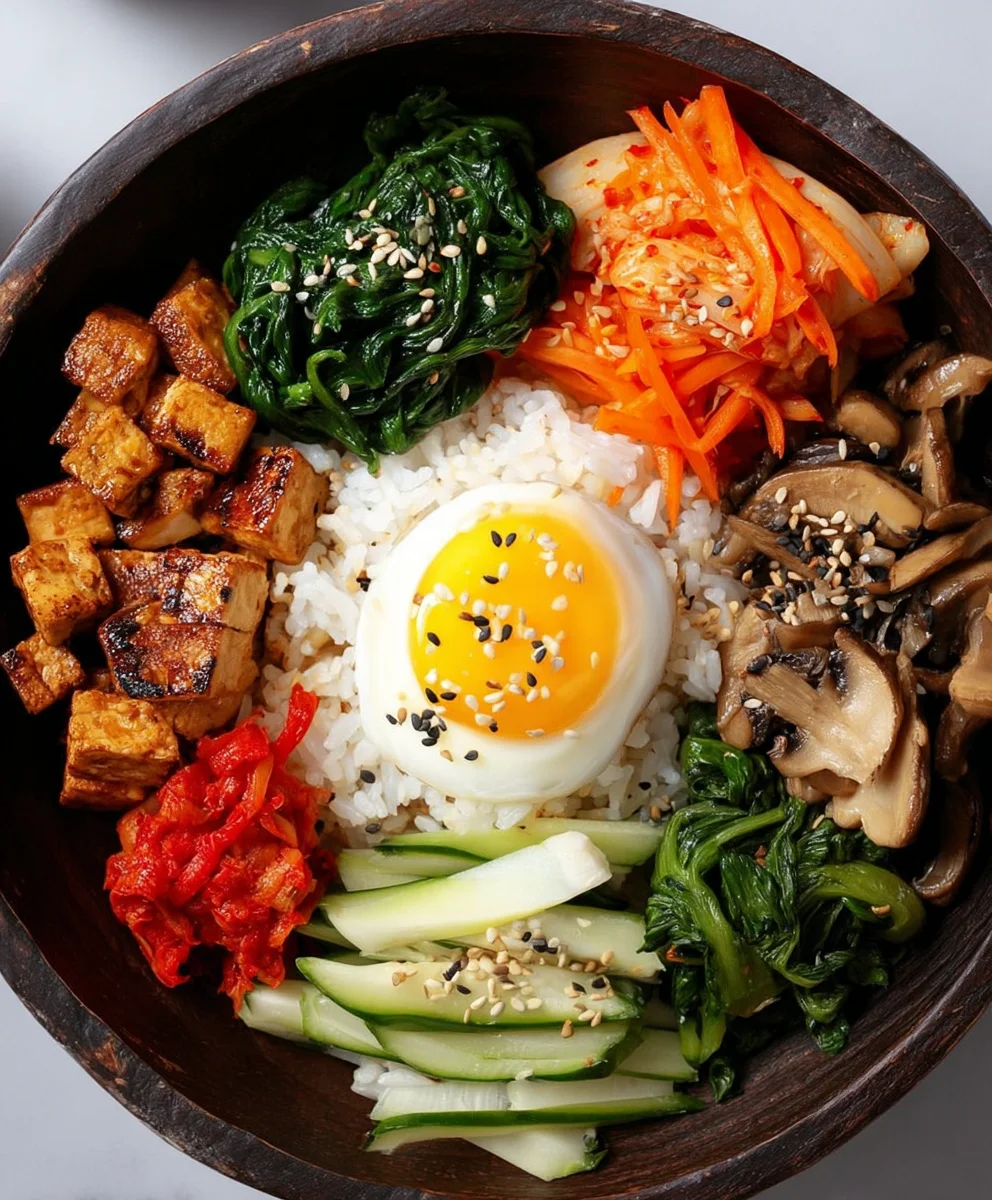
To assemble, take a beautiful serving bowl. You can optionally prepare a base of steamed rice. Spoon the steamed rice into the bowl. Artfully arrange each of your prepared toppings over the rice in separate sections, creating a visually appealing mosaic. Start with the seasoned spinach, then the bean sprouts, julienned cucumber, grated carrot, sautéed mushrooms, and finally the crispy tofu. Drizzle your prepared gochujang sauce generously over the top. For an extra touch, you can add a sprinkle of toasted sesame seeds or a little extra drizzle of sesame oil right before serving. To enjoy, mix all the ingredients together with your spoon and savor the explosion of flavors and textures!
Conclusion:
Embarking on the journey to create your own Vegan Bibimbap is a rewarding experience that offers a delightful explosion of flavors and textures. This vibrant Korean rice bowl is not only incredibly delicious but also a fantastic way to enjoy a balanced and nutrient-rich meal. We’ve covered the essential components, from preparing perfectly seasoned vegetables and tofu to crafting a tangy and savory Bibimbap sauce. The beauty of Vegan Bibimbap lies in its adaptability, allowing you to customize it based on your preferences and what you have on hand. Don’t be afraid to experiment with different vegetables like shiitake mushrooms, zucchini, or even thinly sliced radishes. For an extra layer of indulgence, consider adding a sprinkle of toasted sesame seeds or a drizzle of sriracha for a spicy kick. We encourage you to dive in, get creative in the kitchen, and savor every bite of your homemade Vegan Bibimbap!
Frequently Asked Questions:
What are the essential components of Vegan Bibimbap?
The core elements of Vegan Bibimbap include a base of cooked rice (traditionally short-grain white rice, but brown or mixed grain also works wonderfully), a variety of individually prepared and seasoned vegetables (namul), a protein source (like seasoned tofu or tempeh), and a flavorful sauce, typically a gochujang-based mixture.
Can I make Vegan Bibimbap ahead of time?
Yes, you can prepare many components of Vegan Bibimbap in advance. The vegetables can be cooked and seasoned a day or two ahead and stored separately in the refrigerator. The rice can also be cooked and reheated. The sauce can be mixed and stored. However, it’s best to assemble and top your Bibimbap just before serving to ensure everything is fresh and the rice is warm.
Delicious Vegan Bibimbap Recipe – Healthy & Flavorful
A vibrant and healthy vegan bibimbap packed with fresh vegetables, crispy tofu, and a savory gochujang sauce.
Ingredients
-
1 large cucumber, julienned
-
200 g fresh spinach, blanched
-
100 g fresh bean sprouts, blanched
-
1 large carrot, julienned
-
200 g firm tofu, pressed and cubed
-
100 g mushrooms (enoki, shiitake, or oyster), sautéed
-
Salt to taste
-
Sesame oil for cooking and finishing
-
Minced garlic
-
2 tablespoons gochujang
-
1 tablespoon rice vinegar
-
1 tablespoon agave nectar or maple syrup
-
1 tablespoon soy sauce
-
2 cloves garlic, minced
-
2 teaspoons sesame oil
Instructions
-
Step 1
Prepare the vegetables: julienne cucumber and carrot. Blanch spinach and bean sprouts. Lightly sauté carrot. Season each with salt and a touch of sesame oil and minced garlic. -
Step 2
Sauté mushrooms in sesame oil until tender and lightly browned. Season with salt and a pinch of minced garlic. -
Step 3
Press firm tofu to remove excess water, then cut into cubes or strips. Pan-fry in sesame oil until golden brown and slightly crispy, seasoning with salt and soy sauce. -
Step 4
Whisk together gochujang, soy sauce, rice vinegar, agave nectar or maple syrup, minced garlic, and sesame oil to create the bibimbap sauce. Adjust to taste. -
Step 5
Assemble the bibimbap: In a bowl, add steamed rice (optional). Artfully arrange the prepared spinach, bean sprouts, cucumber, carrot, mushrooms, and tofu over the rice. -
Step 6
Drizzle generously with the gochujang sauce. Garnish with toasted sesame seeds or extra sesame oil if desired. Mix thoroughly before eating.
Important Information
Nutrition Facts (Per Serving)
It is important to consider this information as approximate and not to use it as definitive health advice.
Allergy Information
Please check ingredients for potential allergens and consult a health professional if in doubt.